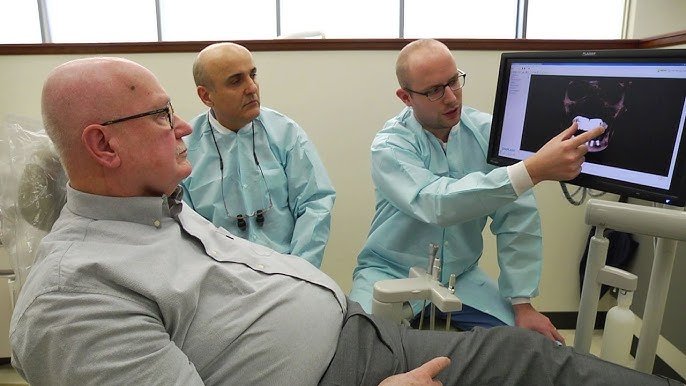
When a loved one enters a critical care unit, it can be an overwhelming experience for families. The ICU, or Intensive Care Unit, is a specialized hospital area designed for patients with life-threatening conditions or severe injuries that require constant monitoring and advanced medical care. Understanding the basics of critical care can help families feel more informed, confident, and prepared to support their loved ones during this challenging time.
Contents
Understanding Critical Care
Critical care involves continuous observation and treatment of patients whose conditions are unstable or complex. These patients may require mechanical ventilation, advanced cardiac monitoring, or other life-supporting interventions. The goal of critical care is to stabilize the patient, treat the underlying condition, and prevent further complications.
The healthcare team in critical care is multidisciplinary. It typically includes intensivists (physicians specializing in critical care), nurses, respiratory therapists, pharmacists, and other specialists. Each member plays a crucial role in assessing the patient’s condition, adjusting treatments, and ensuring the highest level of care.
What Families Can Expect
For many families, entering a critical care unit is daunting. The machines, monitors, and alarms can be intimidating. Here’s what families can generally expect:
- Constant Monitoring: Patients are closely observed, often 24/7. Vital signs, oxygen levels, and other key indicators are continuously tracked.
- Limited Visiting Hours: Due to the critical nature of care, visitation may be restricted. Families are encouraged to communicate with the care team to understand visiting policies.
- Frequent Updates: Healthcare providers often give regular updates on the patient’s progress and any changes in treatment. Don’t hesitate to ask questions—communication is key.
How Families Can Support Patients
Being present, informed, and involved can make a significant difference for critical care patients. Here are some practical ways families can provide support:
- Stay Informed: Keep track of treatment plans, medications, and any procedures. Understanding what is happening can reduce anxiety and help you advocate for your loved one.
- Ask Questions: No question is too small. Healthcare providers expect and encourage families to ask about the patient’s care.
- Provide Comfort: Simple gestures like holding a hand, playing favorite music, or speaking to the patient can offer emotional reassurance.
- Take Care of Yourself: Caring for someone in critical care can be exhausting. Ensure you rest, eat, and seek support from friends, family, or counseling services.
Preparing for Emergencies
In some cases, critically ill patients may need to be transferred to another facility with specialized care. Medical air transport services are designed to safely transfer patients over long distances while maintaining critical care support. Understanding this option in advance can provide peace of mind if such a situation arises.
Recovery and Beyond
Critical care does not end when a patient leaves the ICU. Recovery can be gradual and may involve rehabilitation, physical therapy, and follow-up appointments. Families play an essential role in supporting recovery, providing encouragement, and ensuring adherence to treatment plans. Emotional support is equally important, as patients may experience anxiety, depression, or post-traumatic stress following critical illness.
Communicating Effectively with Healthcare Teams
Effective communication with healthcare providers is essential. Here are some tips for families:
- Keep a Notebook: Track updates, medications, and questions to ensure nothing is forgotten during brief conversations.
- Understand the Plan: Ask providers to explain the care plan in clear terms, including potential complications or next steps.
- Be Honest: Share any changes in the patient’s behavior, pain levels, or symptoms promptly.
In Conclusion
Navigating the world of critical care can be challenging, but understanding what to expect can help families feel more empowered and engaged in their loved one’s care. Remember, support extends beyond the patient—it includes caregivers and family members as well. Staying informed, communicating effectively, and providing emotional comfort can make a meaningful difference during this difficult journey. Critical care may be complex, but with knowledge and preparation, families can help their loved ones face it with confidence.