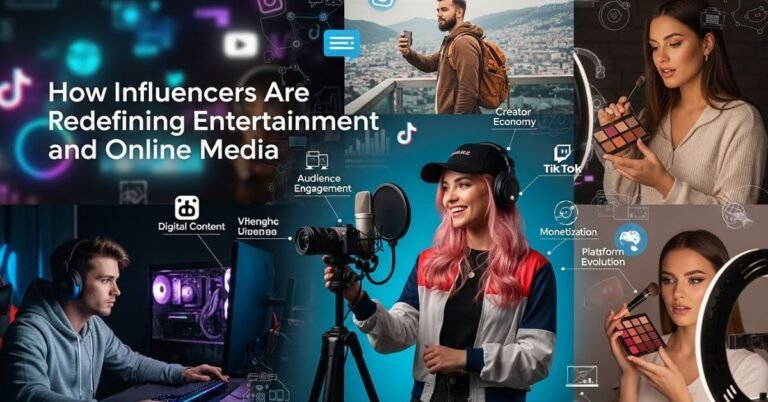
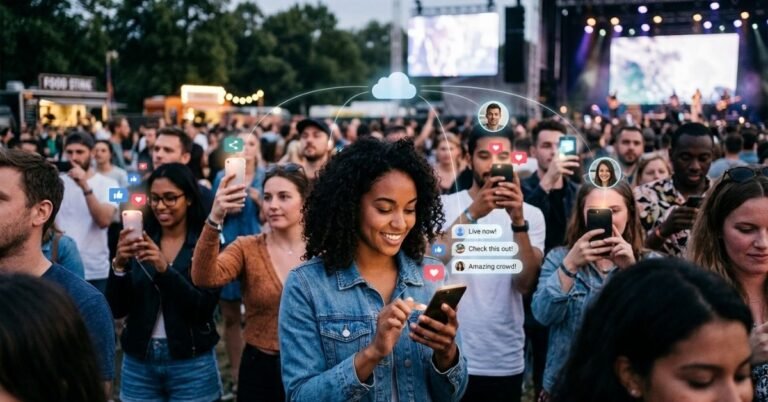
In the age of Instagram stories, TikTok dances, and YouTube vlogs, influencers have become more than just trendsetters—they’re cultural icons. One such name that has sparked both admiration and controversy is Bryce Adams. While many know her for her magnetic online presence, few understand the deeper narrative behind her journey and the volatile undercurrents of internet fame.
This article peels back the layers of Bryce Adams’ persona, examining how fame, pressure, and audience expectations have shaped both her success and her more “wild” moments online.
Who Is Bryce Adams?
Bryce Adams emerged on the social media scene as a confident, unapologetic content creator. With a background rooted in creativity and a bold personality that refuses to conform, she quickly gained traction. Her content—ranging from lifestyle to unfiltered opinions—resonated with a generation craving realness in a sea of filters.
Her rise was not just about beauty or viral posts—it was her authenticity that earned her a loyal following. But as with many influencers, the path to stardom came with unseen emotional and psychological tolls.
The Rise to Fame
Bryce didn’t become an online sensation overnight. Her growth was the result of consistent engagement, controversial takes, and a willingness to show her life without a polished facade. Audiences appreciated her willingness to speak openly about personal matters, societal issues, and mental health.
However, as her follower count rose, so did the stakes. The internet loves its darlings—until it doesn’t. Fame brought not only admiration but also relentless scrutiny.
The Persona vs. the Person
One of the most fascinating aspects of Bryce Adams’ story is the contrast between the online persona and the real person behind it. Like many influencers, Bryce curated content that amplified certain parts of her personality—confident, outspoken, fearless. But beneath the surface, there was a human being grappling with the same struggles as anyone else: anxiety, criticism, burnout, and personal conflict.
In several interviews and livestreams, Bryce has hinted at the emotional strain of being “on” all the time. “It’s hard to be one version of yourself online when you’re feeling completely different inside,” she admitted during a 2024 podcast.
When Branding Turns Wild
As her brand grew bolder, so did her content. Bryce started pushing boundaries—sometimes toeing the line between provocative and problematic. Her decisions to post unfiltered, and occasionally controversial, content sparked debates across platforms. Was it empowerment or attention-seeking? Was it authenticity or performance?
This blurred line often defines what we now call “Influencers Gone Wild.” It’s not always about scandal—sometimes, it’s about stepping out of the neat box that audiences have put you in.
The Pressure of Virality
Virality is both a blessing and a curse. Every post could be the next big thing—or the spark that ignites backlash. For Bryce, several moments went viral not because they were polished, but because they were raw. A teary rant, a bold tweet, or an explicit response to a hater—each time, the internet reacted with equal parts support and criticism.
The algorithm rewards extremes, and influencers often feel pushed to one-up their last viral moment. It’s a cycle that feeds on intensity, leaving little room for mistakes or grace.
Bryce has faced her fair share of public backlash—from accusations of being “too wild” to more serious criticism about her influence on younger audiences. While some influencers crumble under the weight of cancel culture, Bryce has chosen to confront it head-on.
She’s addressed criticism openly, apologized when needed, and doubled down when she believed she was right. This dual approach has polarized her audience but also solidified her image as someone who doesn’t play by the rules.
Impact on Followers
Bryce Adams’ journey offers an important case study in parasocial relationships—the emotional bonds followers form with influencers. For many fans, she’s more than just an internet personality; she’s a source of inspiration and realness. But this closeness can also breed unrealistic expectations.
Some followers idolize her, while others feel betrayed when she acts outside the persona they’ve grown to love. This creates a volatile fan dynamic, one that mirrors the highs and lows of celebrity culture in the digital age.
Mental Health and the Influencer Industry
In recent years, Bryce has spoken more openly about her mental health. The constant pressure to entertain, stay relevant, and remain “authentic” while navigating public opinion takes a toll. Influencers often feel isolated, overexposed, and burned out—Bryce included.
By being vulnerable about her struggles, she has helped destigmatize mental health conversations among content creators. Still, it’s a reminder that fame without boundaries can quickly become a trap.
A New Chapter?
Despite the controversies, Bryce Adams continues to reinvent herself. Whether launching new creative projects, collaborating with other influencers, or shifting platforms, she shows no signs of disappearing. Her fans admire her adaptability—and critics remain watchful.
What’s clear is that Bryce isn’t just a fleeting social media figure. She’s become a symbol of how internet fame challenges identity, boundaries, and society’s view of public figures.
Final Thoughts:
The story of Bryce Adams is not just about an influencer who “went wild”—it’s about the complex interplay between personal authenticity, public expectation, and digital performance. The road to internet stardom is no longer paved with talent alone, but with shock value, controversy, and constant reinvention.
Bryce Adams has shown that behind every viral post is a person, and behind every scandal is a deeper story. She remains a fascinating figure, not because she’s perfect, but because she dares to be imperfect in public.