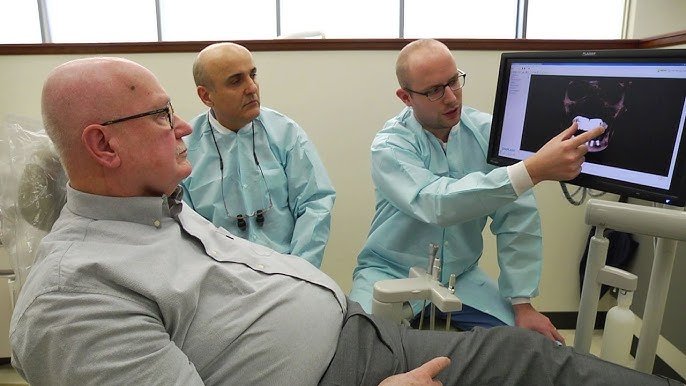
Your smile is one of your most valuable assets. It’s the first thing people notice, and it plays a massive role in your self-confidence. But when teeth get damaged, decayed, or lost, that confidence can take a hit. Fortunately, modern dentistry offers a wealth of restorative procedures designed to bring your smile back to life.
Navigating these options, however, can feel overwhelming. Should you get a crown or a veneer? Is a bridge better than an implant? The choices are plentiful, and the “right” answer isn’t always obvious. It depends on your specific dental health, your budget, and your long-term goals.
This guide is here to demystify the process. We will walk you through the factors you need to consider and the most common treatments available, helping you have a more informed conversation with your dentist. While professional advice is irreplaceable, understanding the basics puts you in the driver’s seat of your own oral health journey.
Assessing Your Dental Needs
Before diving into specific treatments, it is crucial to understand the extent of the damage. Restorative dentistry isn’t one-size-fits-all; a solution that works for a chipped front tooth might be terrible for a missing molar.
Level of Decay or Damage
Minor cavities are usually simple fixes. If the decay has only penetrated the enamel or a small part of the dentin, a filling is often sufficient. However, if a tooth is cracked or the decay is extensive, a filling might not provide enough structural support. In these cases, you might need a crown to encase the tooth and prevent it from breaking apart.
Tooth Location
The location of the problem tooth matters immensely. Front teeth require solutions that prioritize aesthetics—treatments that mimic the translucency and color of natural enamel. Back teeth, or molars, do the heavy lifting when you chew. They need durability above all else. Materials like gold or zirconia are often used for back teeth because they can withstand immense pressure, whereas porcelain is preferred for the visible “smile zone.”
Gum Health
Your gums are the foundation of your smile. If you have periodontal disease, restorative procedures might fail. Placing a beautiful crown on a tooth with unstable bone support is like building a house on quicksand. Your dentist will likely want to address any underlying gum issues before moving forward with major restoration work.
Common Restorative Options
Once you and your dentist have assessed the damage, you can look at the tools available to fix it. Here are the heavy hitters in restorative dentistry.
Fillings: The First Line of Defense
Fillings are the most common restorative procedure. They are used to treat cavities and minor fractures. While silver amalgam fillings were the standard for decades, composite resins are now the go-to choice. These tooth-colored materials bond directly to the tooth structure and are virtually invisible. They are perfect for small-to-medium repairs where the majority of the tooth is still healthy.
Crowns: The Protective Cap
When a tooth is too damaged for a filling but the root is still healthy, a crown is the answer. Think of it as a helmet for your tooth. It covers the entire visible portion of the tooth, restoring its shape, size, and strength. Crowns are necessary after root canals or for teeth that are severely worn down. They can be made from ceramic, metal, or a combination of both.
Bridges: Closing the Gap
If you are missing one or more teeth, a dental bridge can literally “bridge” the gap. It consists of two crowns placed on the healthy teeth on either side of the gap (abutment teeth), with an artificial tooth (pontic) in between. Bridges are a time-tested solution that restores chewing function and prevents other teeth from shifting out of place.
Dental Implants: The Gold Standard
For replacing missing teeth, dental implants are widely considered the superior option. Unlike bridges, which rely on neighboring teeth for support, an implant is a standalone artificial root (usually titanium) surgically placed into the jawbone. It prevents bone loss—a common side effect of losing teeth—and feels exactly like a natural tooth.
While they are an investment, finding affordable dental implants in Chula Vista or your local area is becoming easier as the technology becomes more widespread. Implants offer longevity that bridges and dentures simply cannot match, often lasting a lifetime with proper care.
Important Factors in Decision Making
Knowing what procedures exist is step one. Step two is weighing the variables that will influence your final decision.
Longevity and Durability
How long do you want the repair to last? Composite fillings might need replacing every 5 to 7 years, whereas a gold crown could last 20 years or more. Implants are designed to be permanent. If you are looking for a “one-and-done” solution, you might lean towards more durable (and often more expensive) options.
Aesthetics vs. Functionality
Ideally, you want both. But sometimes you have to prioritize. If you grind your teeth at night (bruxism), a porcelain crown might chip, making a metal crown a better functional choice for back teeth despite the aesthetics. Conversely, for a front tooth, you will likely want to invest in high-quality ceramic layering that looks indistinguishable from your natural teeth.
Budget and Insurance
Cost is a reality for everyone. Simple fillings are generally affordable and covered by insurance. Implants and veneers, however, can be significant investments. It is important to discuss payment plans and insurance coverage with your dental office upfront. Remember to view this as an investment in your health; opting for the cheapest solution now might cost you more in repairs later.
Taking the Next Step for Your Smile
Choosing the right restorative procedure is a collaborative process between you and your dental professional. It requires balancing clinical needs with personal preferences and financial realities. By understanding your options—from simple fillings to complex implants—you can approach your dental visits with clarity and confidence.
Do not let dental issues linger. Decay and damage rarely get better on their own; they usually get worse (and more expensive to fix) over time. Schedule a consultation with your dentist today to discuss a restorative plan tailored to you. Whether it’s a single filling or a full smile makeover, the right procedure is waiting to give you back your function and your confidence.